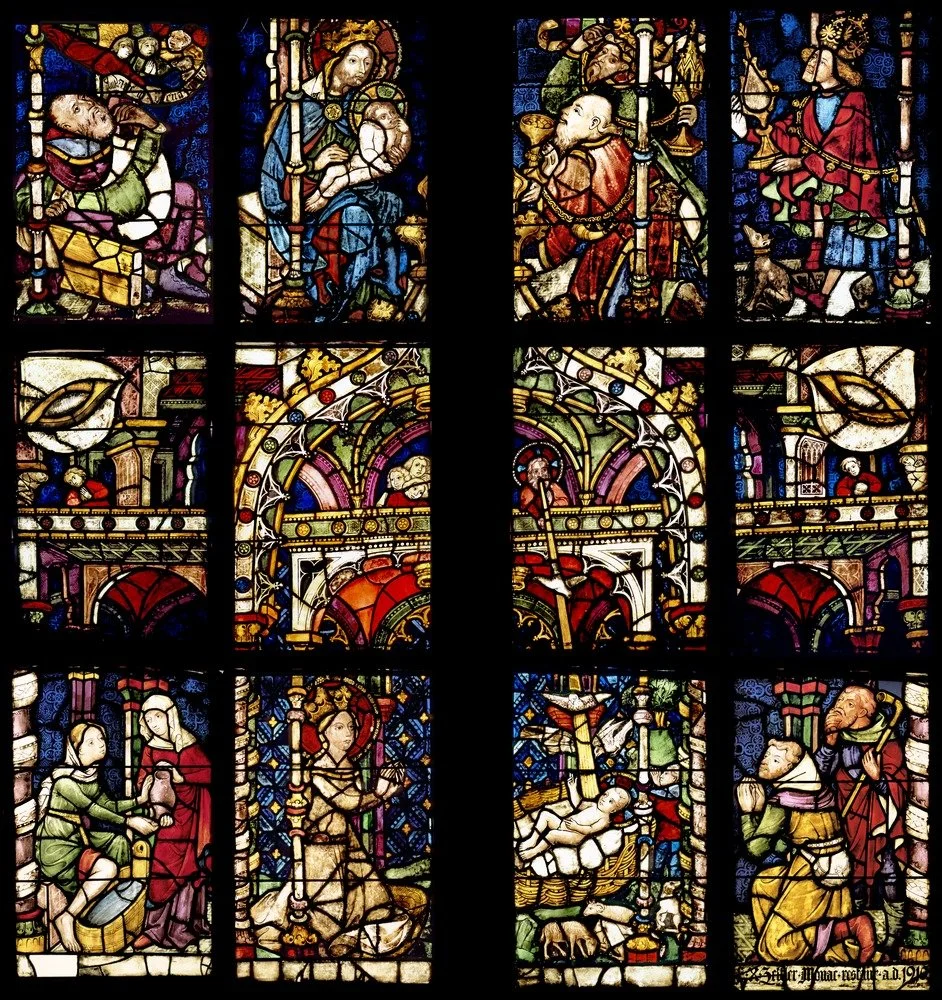
What we are compelled to emulate in these men is not some astrological aptitude, but a determination to follow the Sacred Scriptures.
Read More
A blog of the Evangelical Lutheran Liturgy
What we are compelled to emulate in these men is not some astrological aptitude, but a determination to follow the Sacred Scriptures.
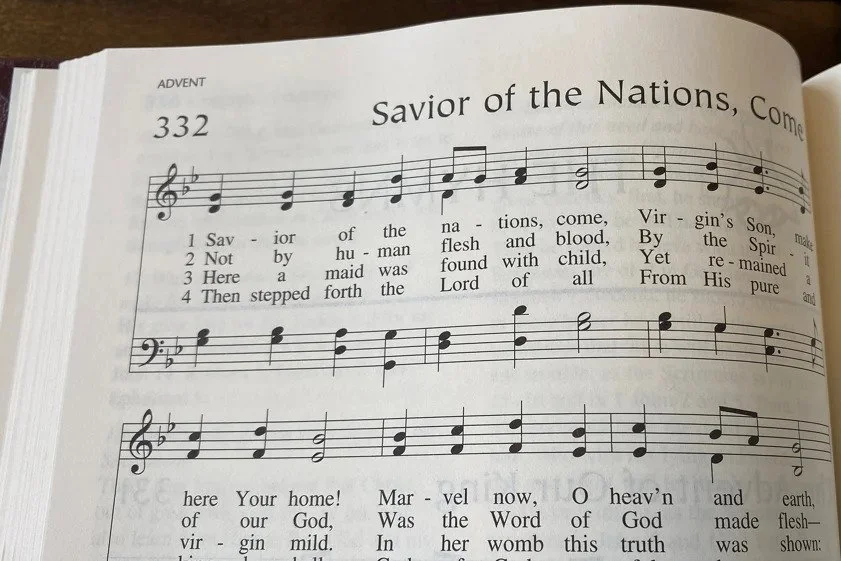
Read MoreThis hymn was originally written in Latin by the great Bishop St. Ambrose of Milan (d. 397). We are still singing this hymn today (well, most of us, anyway). It is a treasure, a hymn that is so confessional as to almost be a creed, one that confesses the two natures of Jesus, but does so poetically, lyrically, and devotionally. It has stood the test of time because it is pure gold.
Read MoreA long time ago, I heard a smug old LCMS liberal pastor (sympathetic to Seminex) denigrate closed communion with the quip: “It’s the Lord’s Supper, not the LCMS’s Supper.” Of course, he had that arrogant smirk as he said it. He thought he was so clever.
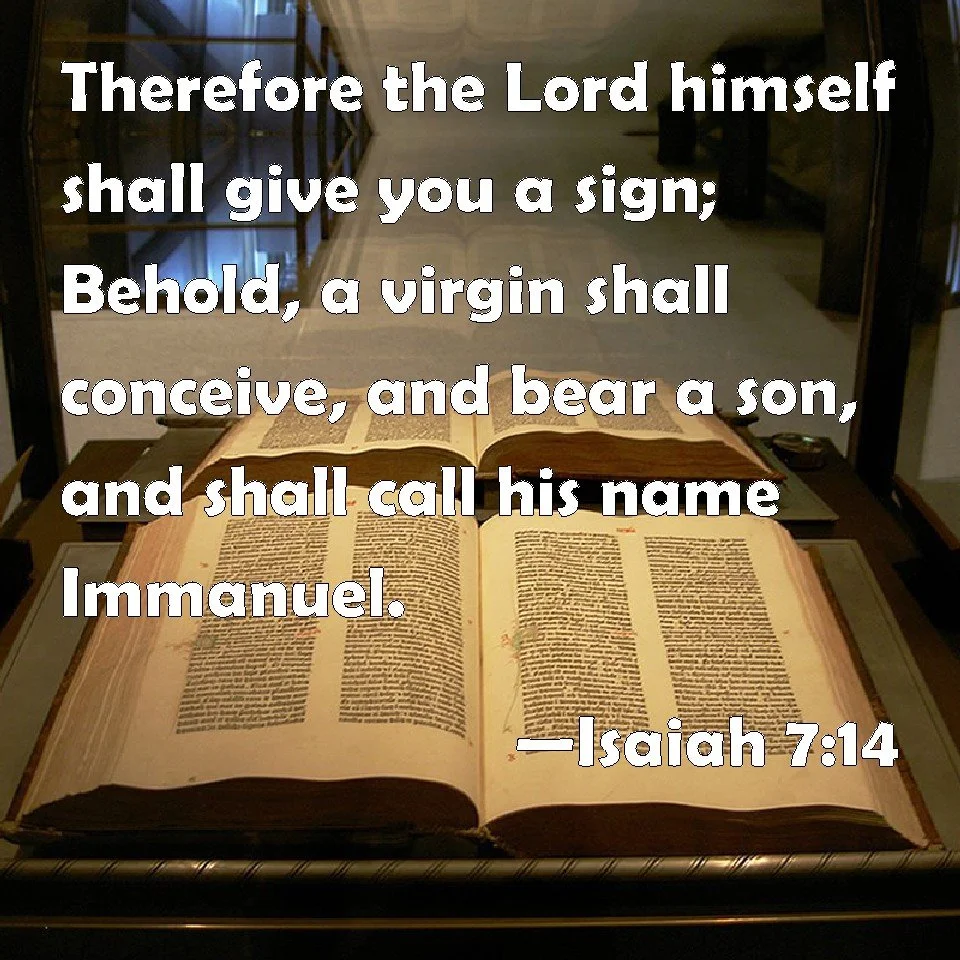
Read MoreIn the sign is embedded this greater thing that was to come to pass. Isaiah’s wife, as everyone knew, was no virgin. The sign never fully came to realization in Isaiah’s day, though in many respects it partly did, leaving the people to expect a greater fulfillment than simply the laying waste of Syria and Ephraim.
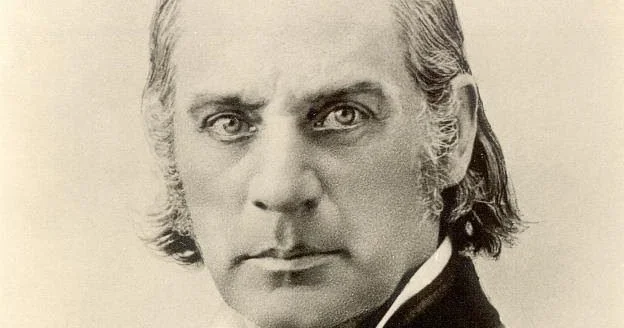
Read MoreSt. Wilhelm Loehe was a German missionary to America who never set foot in America. He was a Bavarian pastor who was fiercely dedicated to the liturgy and the Eucharist, as well as pastoral training. He also established an order of sisters who would care for the sick and elderly.
Read MoreLutheranism is arguably the tradition with the strongest hymnody. Many of our finest post-Reformation hymnists were also pastors and/or theologians, great writers and servants of the Word,
Read MoreToday is not only New Year’s Eve, it is also the seventh day of Christmas. And as we continue to ponder the miracle of Christmas, that is, the incarnation of God into flesh, we should remember that our Lord’s coming is not just a matter of “where” (that God came to us in our material, fleshly world), but also of “when” – in time.
Read MoreThe worship at these congregations is as fake as a Zimbabwe banknote. It really is analogous to paper money, backed by nothing, and easily inflated to worthlessness. And no matter how many zeroes one adds to the piece of paper, it never becomes the equivalent of the gold that it replaced. It is rather a kind of officially-sanctioned counterfeiting.
Read MoreOld and busted: Canceling church on Christmas Day. New hotness: Holding church ‘online’ on the Sunday after Christmas.
Read MoreThe time of Our Lord’s nativity, the fifth day of which we mark today, draws us to not only reflect on His incarnation, but, by extension, also to the one by whom He took on flesh: the Virgin Mary, most blessed among women (Lk. 1:42) and Mother of God. Along with that discussion come various frequent topics of discussion, perhaps regarding the clauso utero birth (cf. FC SD VII), the assumption, or, perhaps, the perennial favorite: the perpetual virginity [semper virgo] of the Blessed Virgin Mary (cf. every Christian writer under the sun until about five minutes ago).
Read MoreThe good and gracious will of God will be accomplished. And he, to demonstrate this great thing, has deigned to bring it to pass under the appearance of abject weakness and poverty.
Read MoreThis is a tale of two hymns. One, a traditional text written in Latin, popularly sung in many languages at Christmas around the world, including in our own churches: O Come, All Ye Faithful (LSB 379). The other, a modern-day adaptation called O Come All You Unfaithful.
Read MoreMaybe I owe everyone an apology.
Read MorePerhaps the emotion driven praise music has a way of convincing people that they really have changed, but when the music stops and it’s time to go home, the sense of transformation dies just as quickly as the music did.
Read MoreInterview with the Rev. Dr. John Bombaro on On the Line
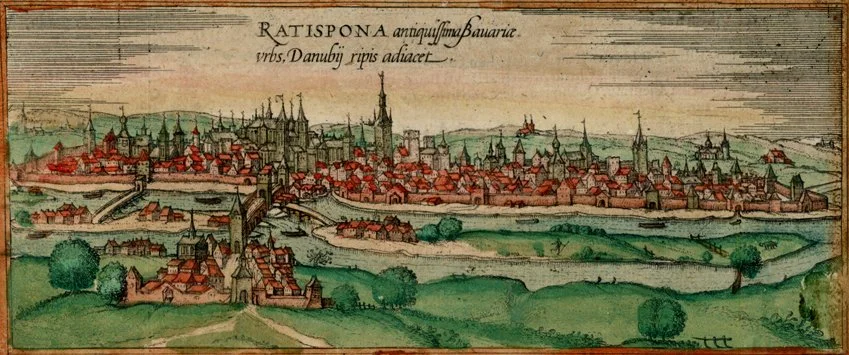
Read MoreEd: The below account of the Regensburg Dispute made my blood run cold, and the attentive reader will have no great difficulty in seeing the same patterns at work in ecclesial controversies to this day. - SG
In the middle of the sixteenth century, two opposing views were held among Lutherans with respect to interest-taking. Martin Chemnitz adhered to the traditional view, shared by Luther, that all lending at interest for profit is contrary to Holy Scripture. Others, such as Johannes Aepinus, contended that the biblical prohibition against interest applies only to lending to the poor; therefore, they argued, a distinction must be drawn in lending practices, and interest may rightly be charged to the well-to-do, at least in Zinskauf contracts. For Chemnitz, this distinction was without biblical warrant, and those who introduced it had clearly fallen into error (Loci theologici II (1653), 162). Aepinus, conversely, held that those, including Luther, who failed to make this distinction in lending had themselves committed “a pernicious error” (In psalmum XV commentarius (1543), 29).
Read More