
Fr. Mullon Said, "No!"
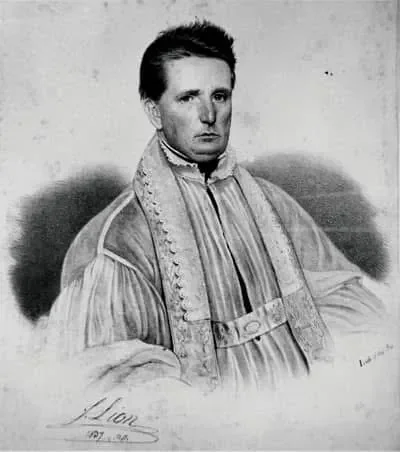
The Rev. James I. Mullon (1793-1866)
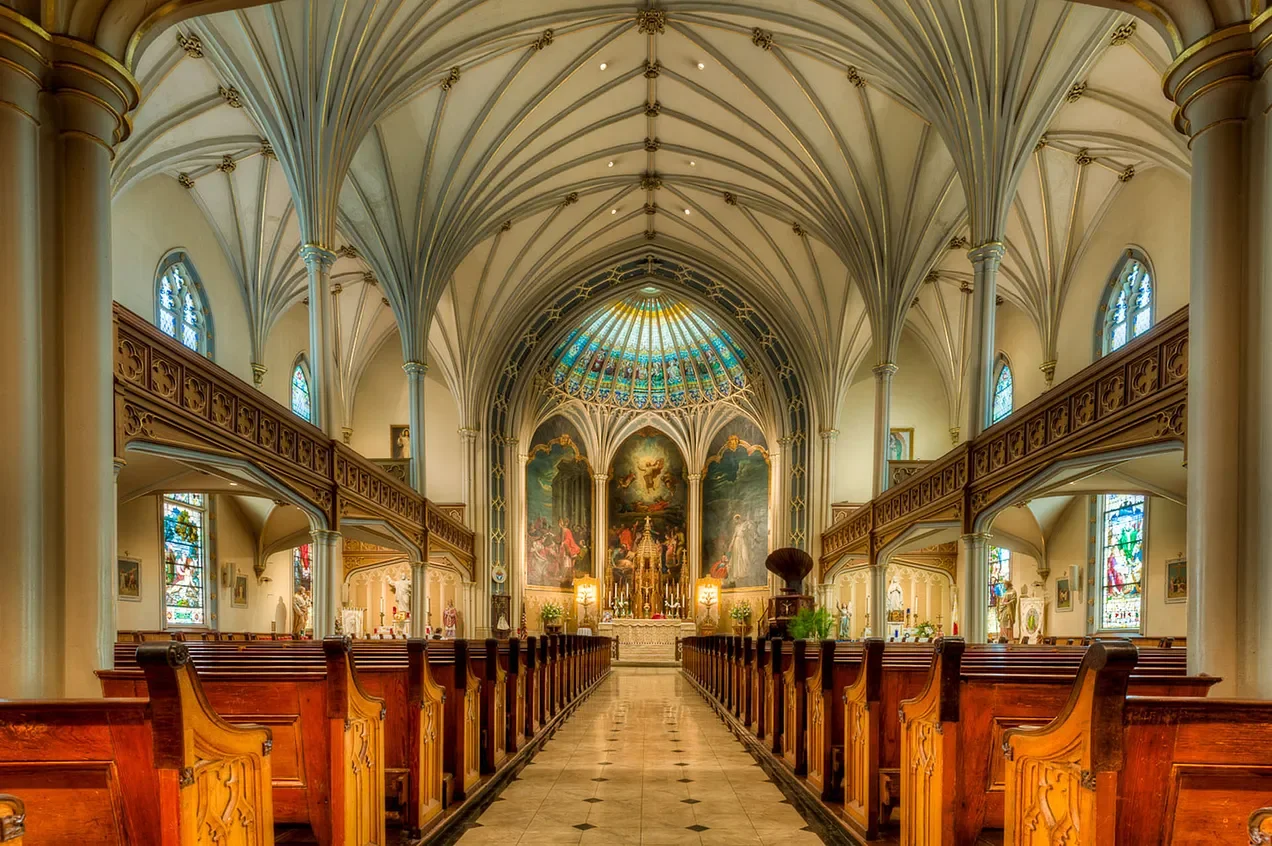
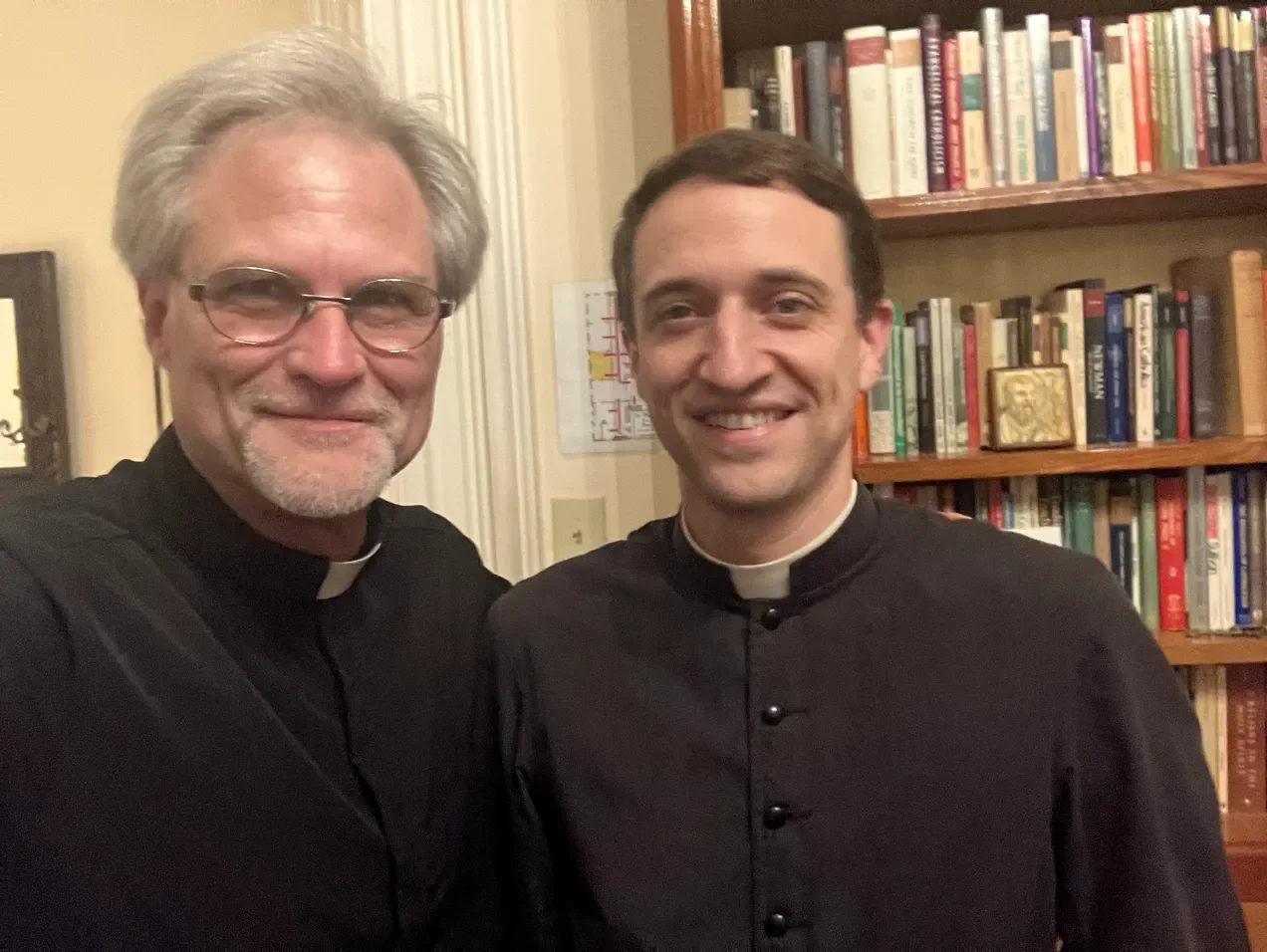
St. Patrick’s is a beautiful historic Roman Catholic church in New Orleans. They still have a communion rail and the Latin liturgy. And when Mass is celebrated according to the Tridentine Rite, the freestanding altar is actually removed from the sanctuary. The thirteenth pastor of the congregation, Fr. Garrett O’Brien, recently gave me a tour of the church. His predecessor, Fr. James I. Mullon, the second pastor of St. Patrick’s, was nothing short of legendary, and is remembered fondly to this very day. He served from 1833 or 1834 until his death in 1866.
Fr. Mullon was known for his staunch defense of the church against the encroachments of government. In fact, the bells that ring out daily from the church’s belfry on Camp Street do so to this day because Fr. Mullon said, “No!”
When the city was under federal occupation, beginning in 1862, it was under the administration of a political general in the Union Army who had been removed from his command and sent to serve as occupation administrator of New Orleans: Benjamin “Beast” Butler. His administration was a train-wreck. Butler was nominally a Christian, but jumped from church to church. He had a penchant for closing churches and arresting pastors who would not pray according to the liturgical dictates of the occupation government.
His governance of New Orleans was so universally hated, that even during the occupation, chamber pots were manufactured bearing his loathsome image inside. Replicas are still sold to this day in New Orleans (and I own two of them). But as dictatorial as Butler was, he had a healthy fear of the church in New Orleans, and especially of Fr. Mullon. Butler tested him, but Mullon would not do as he was told. Butler would inevitably back off, expressing admiration in private for the cantankerous old pastor.
Butler, in a typically dictatorial and punitive overstep of his authority, ordered Fr. Mullon to surrender the bells of St. Patrick’s to him to be melted down and used to supply ammunition to the Union Army. Of course, this was a humiliation ritual. At great personal risk, Fr. Mullon said “No,” daring Gen. Butler to come and take them himself. Butler did not force the issue. In response, he said that Fr. Mullon was the bravest man that he had ever met.
One of Fr. Mullon’s more cheeky and legendary responses was in response to Butler’s charge that he was refusing funerals to Union soldiers. Mullon’s retort was witty and biting, “General Butler, that is not true. I would gladly bury the whole Union Army.” Butler was fired as military governor of New Orleans in December 1862, after only eight months. Fr. Mullon died in 1866, while the city was still under federal occupation. He is buried somewhere in the church. Fr. O’Brien sheepishly admitted that no-one knows exactly where Fr. Mullon’s body is. My suspicion is that the location was kept a secret for fear of his being dug up by the occupation forces.
It is a good and healthy thing for shepherds to be willing to say “No!” when their calling requires. We are not to “fear those who kill the body but cannot kill the soul,” but rather we are to “fear him who can destroy both soul and body in hell.” The nine pastors of Magdeburg who defiantly refused to implement the Interim in 1550, and who were subjected to a cruel siege - were cut of the same cloth. Our pastors and congregations who stood up to government overreach during Covid were as well. It is also a good and healthy thing for those in government to have a degree of fear of the church.
There are times indeed when we must, like Fr. Mullon, say “No!”
Here is an article that I wrote about Fr. Mullon and my visit to St. Patrick’s.