

A Hymn that Needed Adjusting
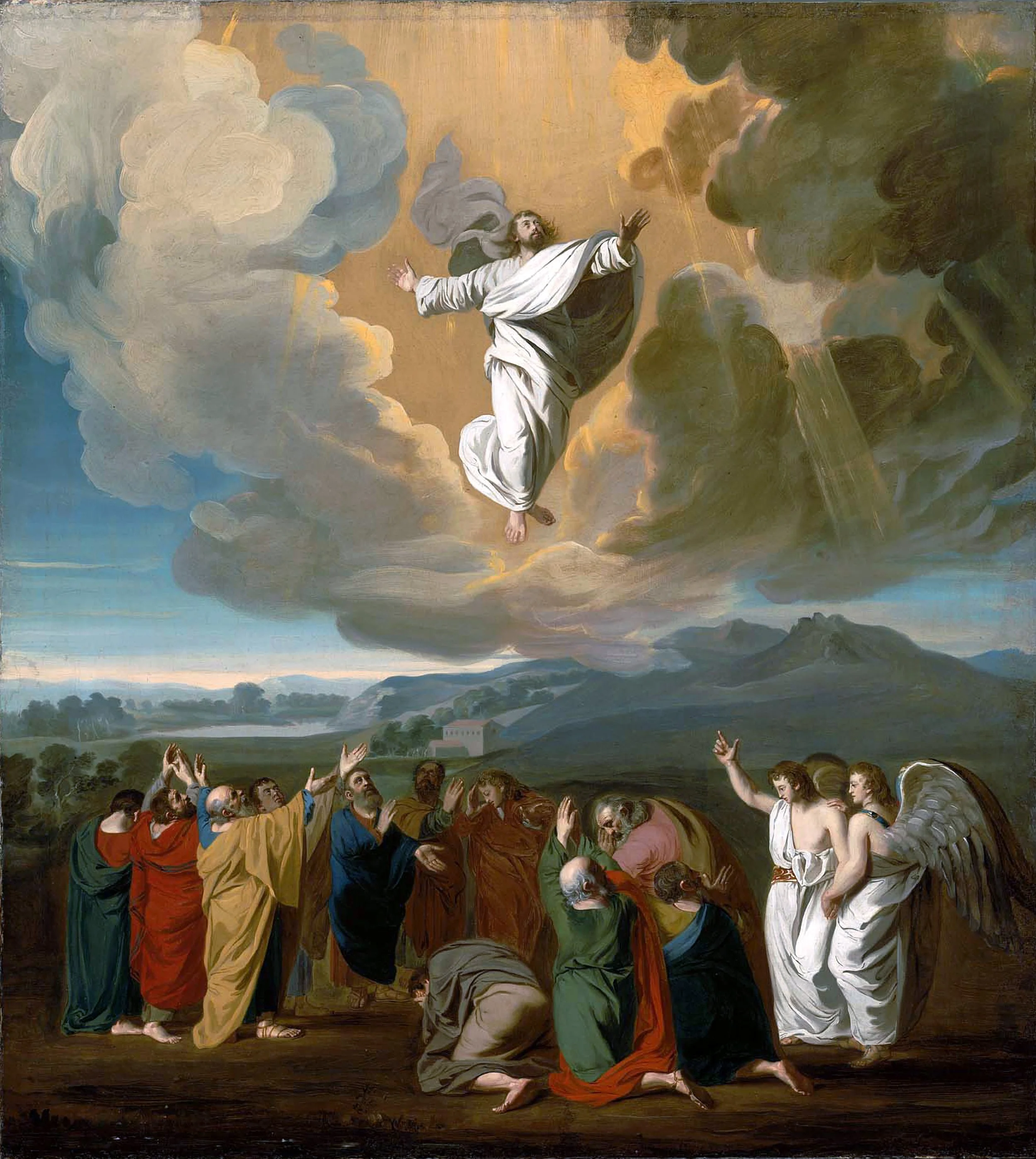
“Savior, When in Dust to Thee” is fairly well known among Lutherans. It’s 419 in LSB and 166 in TLH, though with a different melody (Spanish Chant, c1600). It’s based on the Litany, and was first thought of as a version of the Litany, when the Anglican Robert Grant wrote it in the early 19th century. But as I was singing it the other day I noticed something a little ‘off’. Specifically, in stanza four:
By Thy deep expiring groan,
By the sad sepulchral stone,
By the vault whose dark abode
Held in vain the rising God,
Oh, from earth to heav’n restored,
Mighty, re-ascended Lord,
Bending from Thy throne on high,
Hear our penitential cry!
That’s the LSB rendering, which is similar to TLH:
By Thy deep expiring groan,
By the sad sepulchral stone,
By the vault whose dark abode
Held in vain the rising God,
Oh, from earth to heav’n restored,
Mighty, re-ascended Lord,
Listen, listen, to the cry,
Hear our solemn litany!
Very little was done in the way of alterations by LSB.[1] It wasn’t the changes that caused my concern, but rather, from the unchanged part that should have been changed:
Oh, from earth to heav’n restored,
Mighty, re-ascended Lord
That got me thinking about the Ascension, and what troubles me is the idea of its being a re-ascension, referenced also in the term “restored.” I know it’s poetry, so a little leeway can be granted, but still, I suspect this Anglican poet didn’t have a good grasp on the Ascension.
I’m very uncomfortable calling it a re-ascension, in spite of the fact that we confess that Jesus Christ “came down from heaven” etc.
Because in consideration of what the Ascension actually was, it happened only once. It had never happened before. It wasn’t simply a returning of Jesus from the heaven from which he came down, as if, say, he had traveled from one continent or world to another and then returned.
Jesus ascended as the Incarnate One. It is the ascension of Man to the right hand of the Father. To be sure, as God he has always been with the Father and, for that matter, has always been in heaven with the Father. His ‘coming down’ from heaven is a reference to his condescension to us in the form of our flesh, but it isn’t a kind of kenoticism. That is, he didn’t empty himself of his divinity in any way when he became flesh. So then, his Ascension isn’t a reference to a return of some kind, as if heaven it to be thought of in terms of a location.
It’s far better, and of infinitely greater importance, to think of the Ascension as the exaltation of Christ according to his human nature. What it marks is the Ascension of the Man Jesus Christ. As the hymn writer Christopher Wordsworth put it, “Mighty Lord, in Thine Ascension, we by faith behold our own.”
Or consider Saint Ambrose’s famous interpretation of Psalm 24:7-10. The Psalm itself reads:
Lift up your heads, O ye gates;
and be ye lift up, ye everlasting doors;
and the King of glory shall come in.
Who is this King of glory?
The Lord strong and mighty,
the Lord mighty in battle.
Lift up your heads, O ye gates;
even lift them up, ye everlasting doors;
and the King of glory shall come in.
Who is this King of glory.
The Lord of hosts, he is the King of glory.
Ambrose saw this as two groups of angels speaking to one another: the first group, accompanying Jesus to heaven, cry out Lift up your heads . . . and the King of glory shall come in, and the second group, observing this ascent from heaven, are bewildered, saying, Who? Who is this King of glory? because they see a Man approaching, and this is something they haven’t seen before. The point, of course, is that the Ascension marks the culmination of what Jesus has done, and it has never been the case until now that Man has ascended to the right hand of God.
So, technically speaking, the Anglican Robert Grant had it wrong. Jesus did not re-ascend, and he is not merely returning from some place he had left. Being God, he never left heaven at all, as his divinity was fully intact when he became Man. But now, as Man, he enters his state of exaltation; of the exaltation of Man. And that says a lot more than “Oh, from earth to heav’n restored, Mighty, re-ascended Lord.”
Too bad LSB, with its annoying penchant for making all kinds of truly unnecessary changes to our favorite hymns, didn’t fix that.
[1] LSB replaced “Hear our solemn litany” with “Hear our penitential cry” (Did the editors think ‘litany’ too archaic? If so, that’s odd, because “The Litany” is still found in LSB in its plainchant form) and replaced the second-last line “Listen, listen, to the cry” with a repetition of “Bending from Thy throne on high” from the first stanza.